

If you are currently running Polaris, Can-Am, Kawasaki, or other name-brand UTVs and you are tired of employees rough riding them, breaking parts, and constantly dealing with repairs—then it may be time to look at AODES.
Not because they are cheaper.
But because they are built differently.
The Real Problem with Most UTVs on Job Sites
Most UTVs on the market today are:
-
Designed for recreation first
-
Then modified for work use
That means:
-
Lighter frames
-
Suspension tuned for comfort and speed
-
Components not designed for constant load and abuse
They perform great on trails…
But on job sites, they get:
-
overloaded
-
driven all day
-
bounced through rough terrain
👉 That’s where failures happen:
-
bushings
-
suspension components
-
frame stress
-
electrical issues from vibration
AODES: Built from a Different Starting Point
AODES took a different approach.
Instead of starting with a recreational platform, they built machines designed to:
-
carry loads
-
operate all day
-
handle repeated abuse
For example, the Workcross platform uses a 976cc V-twin engine producing about 71 horsepower —but more importantly, it is built around structure and durability, not just performance.
Workcross vs Desertcross: Understanding the Difference
Both are rugged machines.
But they are built for different types of rugged.
🔧 Workcross 1000: Built for Work
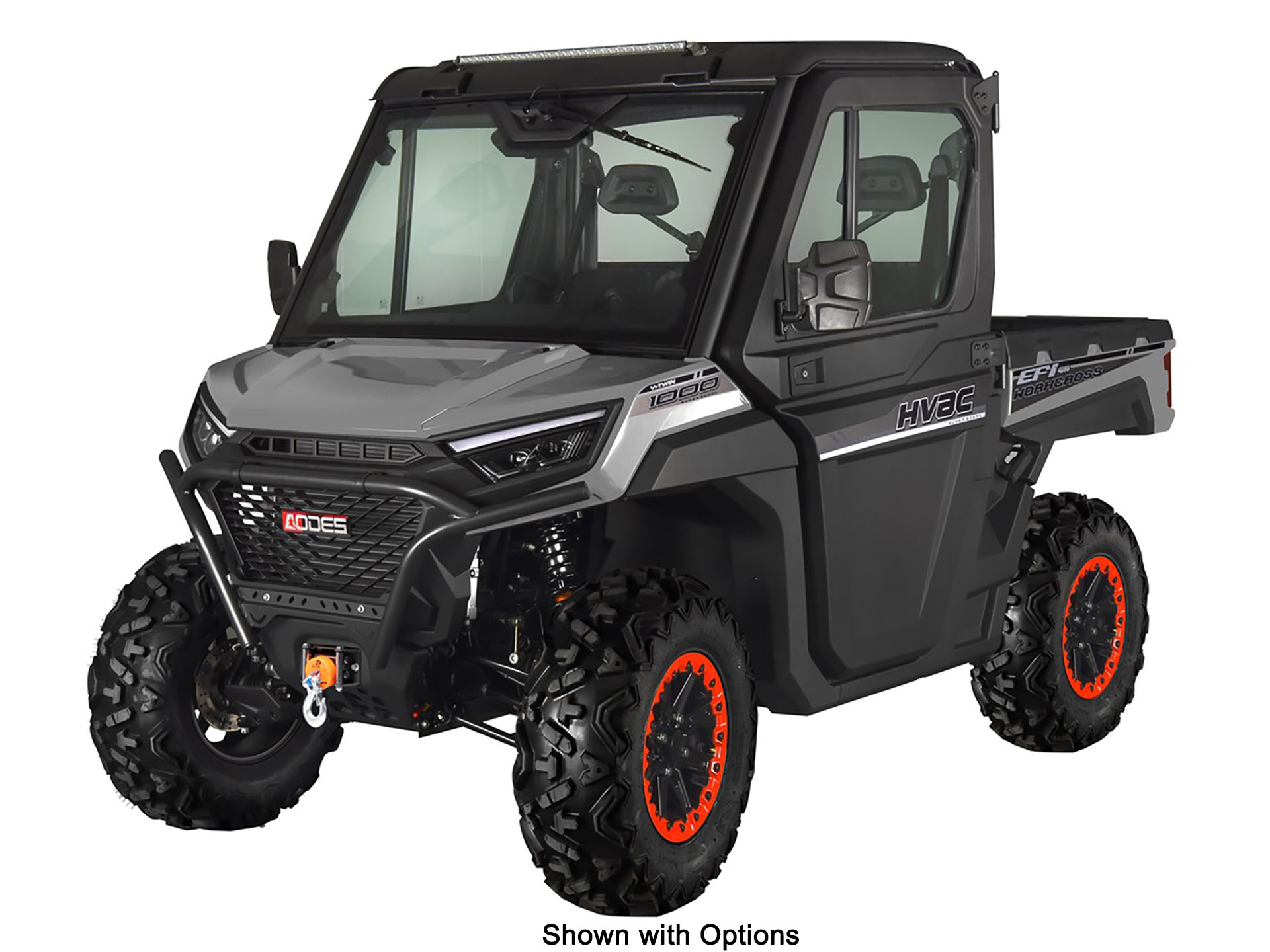
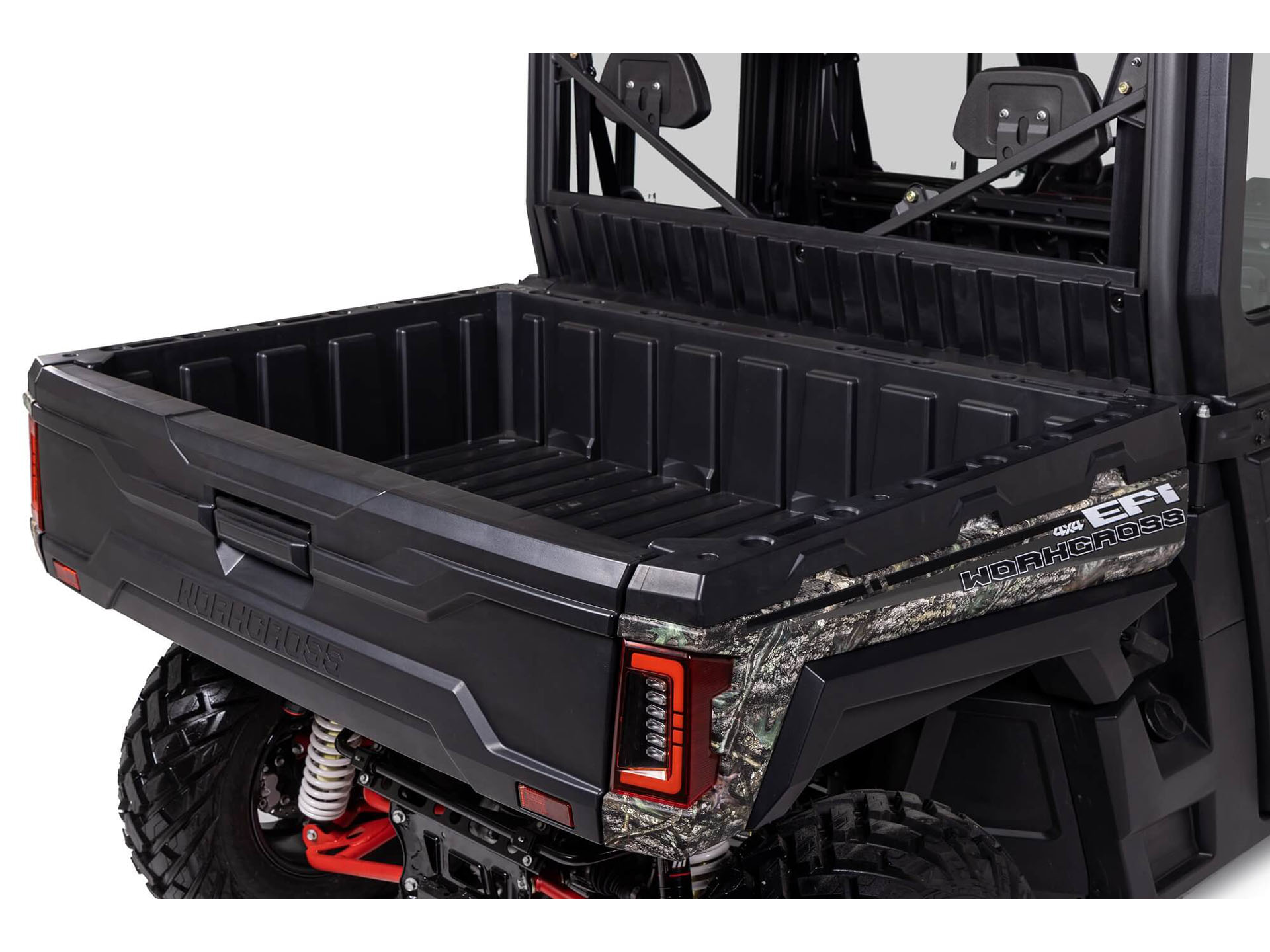

The Workcross is designed for:
-
Daily jobsite use
-
Carrying crews and equipment
-
Long hours of stop-and-go operation
-
Stability under load
Key advantages:
-
Cargo bed designed for real work
-
Heavier chassis and frame
-
Suspension tuned for load—not comfort
-
Built to handle continuous use
👉 This is the machine for:
-
Construction companies
-
Powerline crews
-
Data centers
-
Industrial facilities
🏜️ Desertcross 1000: Built for Terrain
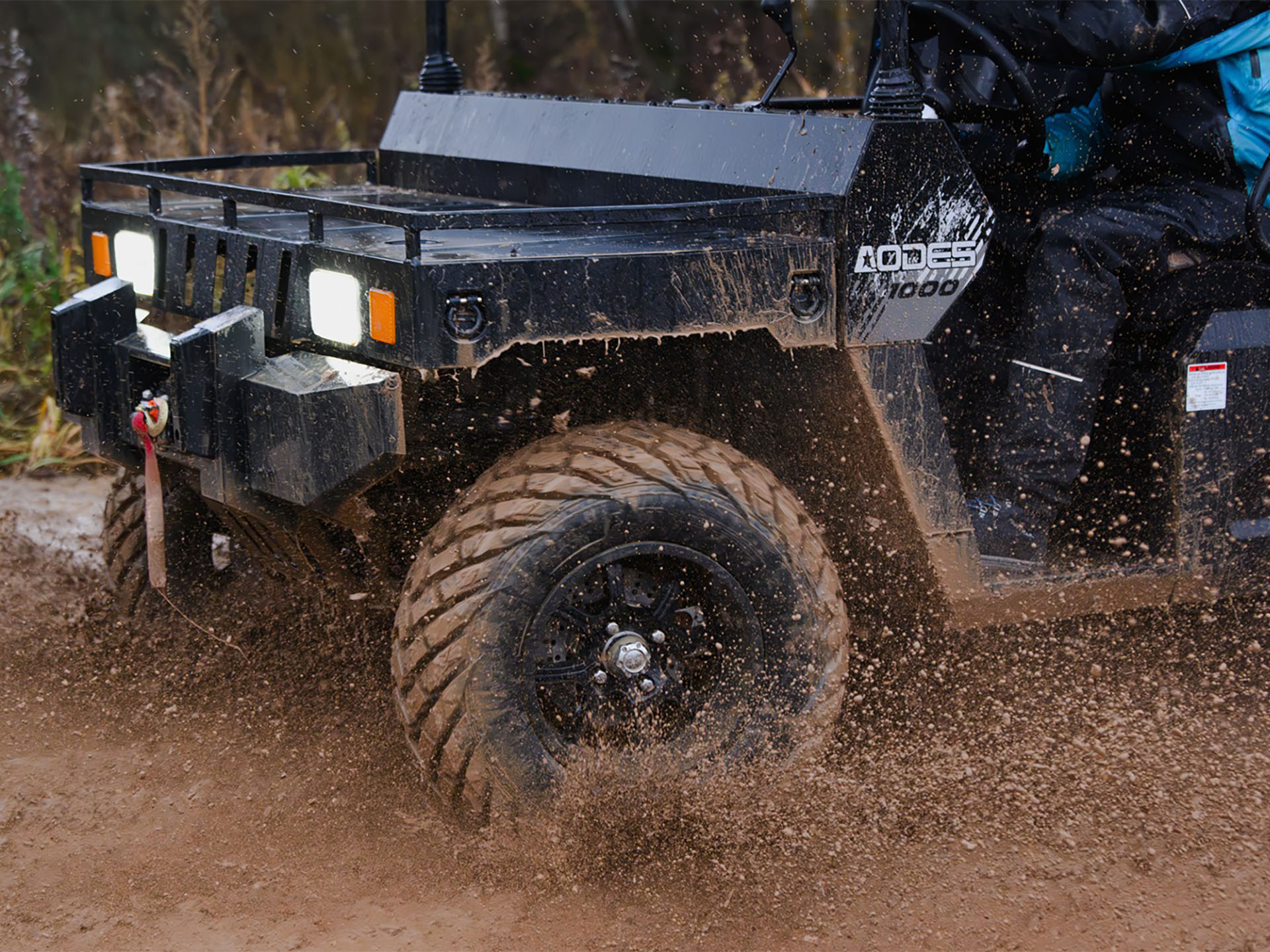
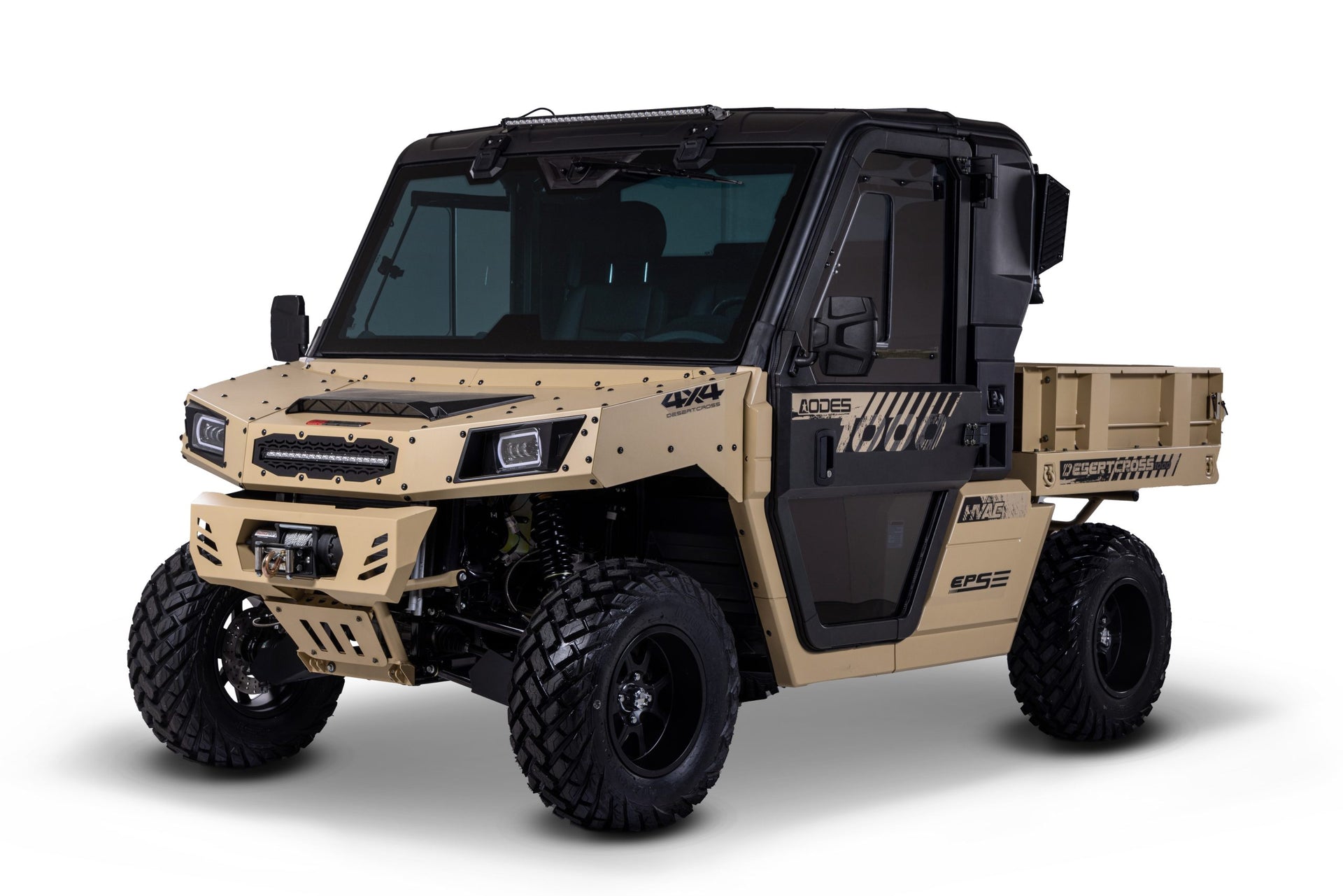
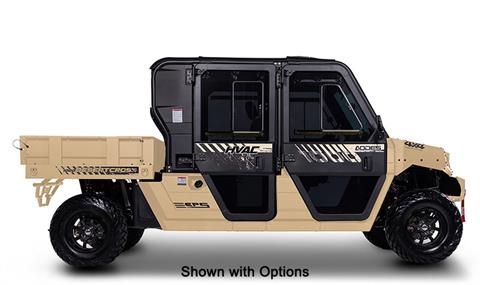
The Desertcross is designed for:
-
Extreme off-road terrain
-
Uneven ground and articulation
-
Mobility in difficult environments
Key advantages:
-
Better off-road geometry
-
More terrain-focused suspension
-
Designed for mobility over obstacles
👉 This is the machine for:
-
Rough terrain access
-
Off-road environments
-
Military-style applications
The Key Difference (This Is What Matters)
Desertcross = built to handle terrain
Workcross = built to handle workload
Most buyers confuse these.
Why This Matters for Your Business
If you are running crews, your problem is NOT:
-
climbing rocks
-
extreme articulation
Your problem is:
-
vehicles being used all day
-
tools and materials being carried
-
repeated wear and tear
👉 That is workload stress, not terrain stress.
Why AODES Outperforms Polaris, Can-Am, and Kawasaki in These Environments
The big brands build excellent machines—but they are:
-
optimized for ride quality
-
optimized for speed
-
optimized for recreational users
That leads to:
-
lighter construction
-
more component fatigue under load
-
higher wear rates in fleet use
AODES focuses on:
-
heavier-duty structure
-
simpler, more robust systems
-
work-first design
👉 The result:
-
fewer failures in high-use environments
-
better long-term durability under load
-
lower downtime
Which One Should You Choose?
✔️ Choose Workcross 1000 if:
-
You run crews daily
-
You carry tools and materials
-
You operate in construction or industrial environments
-
You need durability over time
✔️ Choose Desertcross 1000 if:
-
Your biggest challenge is terrain
-
You are not carrying significant loads
-
You need mobility more than capacity
Final Thought
Most companies don’t have a terrain problem.
They have a durability problem.
If your current fleet is constantly breaking, wearing out, or costing you time and money…
👉 It’s not the driver.
👉 It’s not the brand.
👉 It’s the platform.
And that’s exactly where AODES is different.
