

AODES 650 & 1000 vs. Kawasaki Mule
What’s the Real Equivalent for Commercial Use?
When customers ask how AODES UTVs compare to the Kawasaki Mule, they’re really asking one question:
👉 “Which one is the better work vehicle?”
The reality is this:
The Kawasaki Mule has been the default work UTV for decades, but AODES has come in with a different philosophy—built heavier, more modern, and more purpose-driven for commercial fleets.
This article breaks down how the AODES 650 and 1000 stack up against the Mule lineup in real-world use—not brochure specs.
Kawasaki Mule: The Benchmark Workhorse


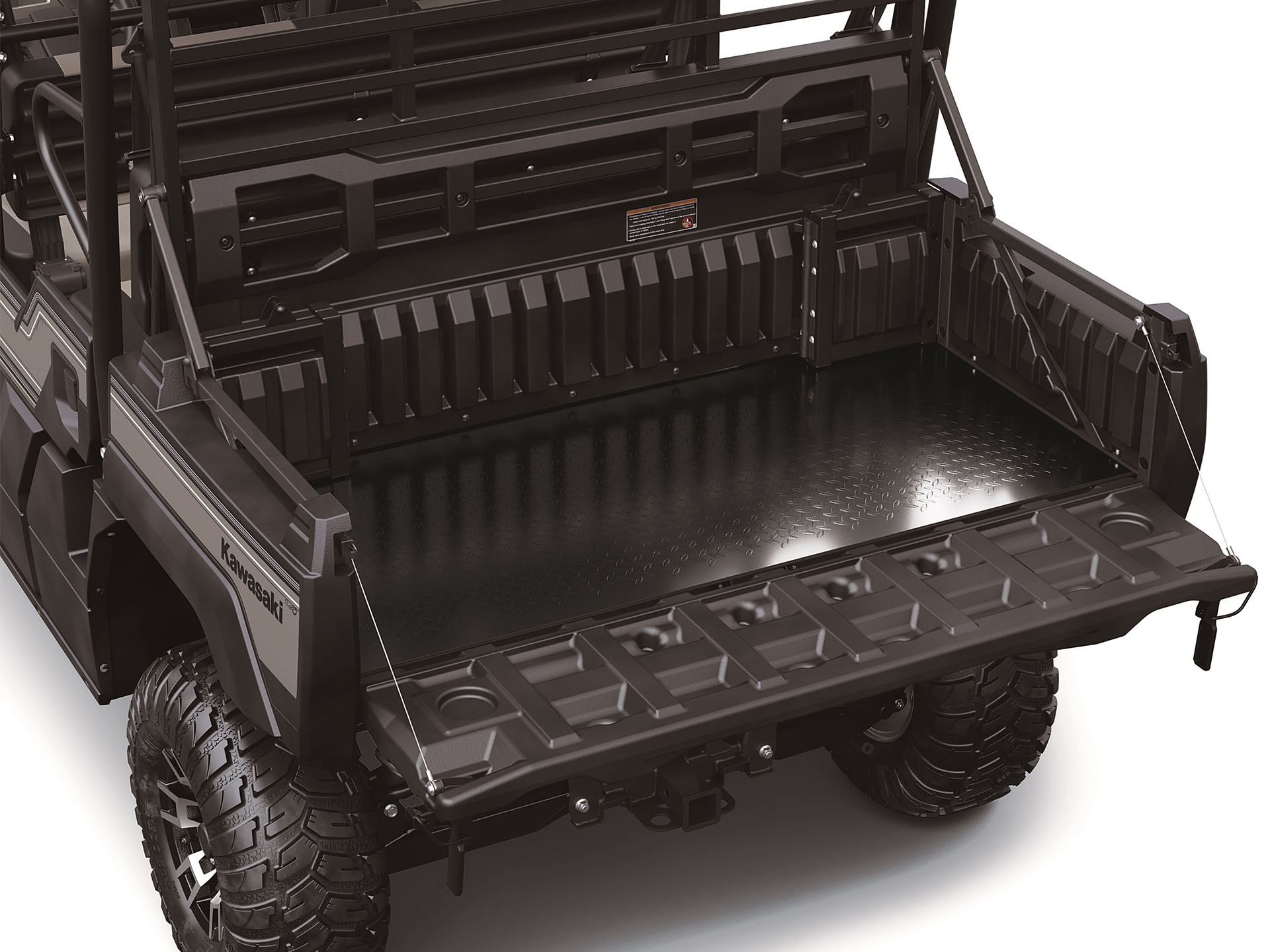
The Kawasaki Mule is known for:
- Long-term reliability
- Simple, proven design
- Strong reputation in farming and light-duty work
Typical specs depending on model:
- Engines from ~400cc to 999cc
- Around 70 HP in newer models
- Towing capacity up to ~2,000 lbs
- Steel cargo beds and basic utility features
👉 Bottom line:
The Mule is a dependable, no-frills work vehicle—but it was designed years ago and has evolved slowly.
AODES 650: The True Mule Replacement

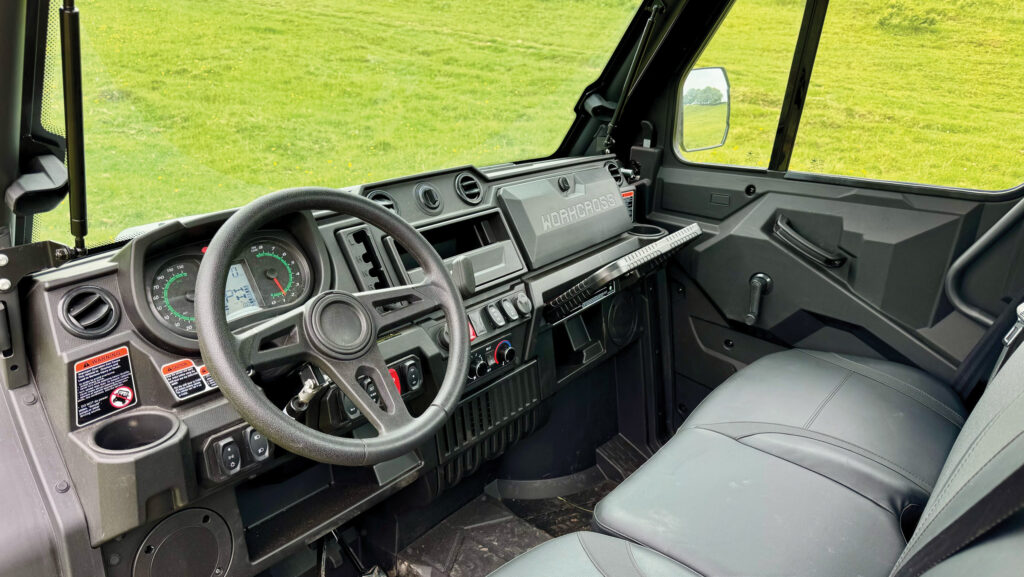
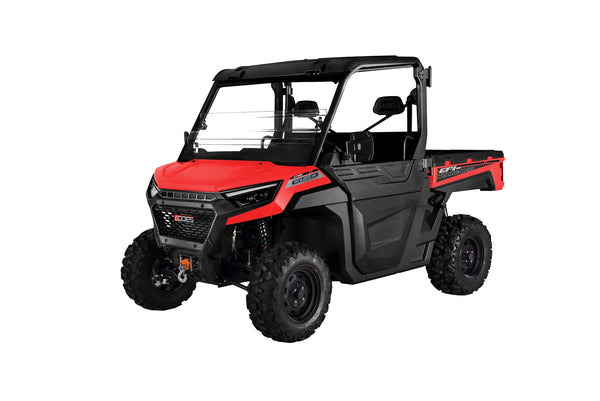
The AODES 650 lines up directly with:
- Kawasaki Mule PRO-MX
- Smaller Mule work models
Key Advantages Over Mule:
- V-Twin engine vs. single-cylinder Mule platforms
- Fully enclosed HVAC cab available (huge upgrade)
- More refined ride and operator comfort
- Built with a heavier-duty frame philosophy
The Mule PRO-MX uses a ~695cc single-cylinder engine
👉 That’s reliable—but it’s also basic and underpowered for heavy commercial use
What this means in the real world:
- Mule = light-duty, property maintenance, farms
- AODES 650 = entry-level commercial fleet vehicle
👉 If someone is replacing a Mule PRO-MX:
The AODES 650 is the direct upgrade.
AODES 1000: The Modern Heavy-Duty Mule
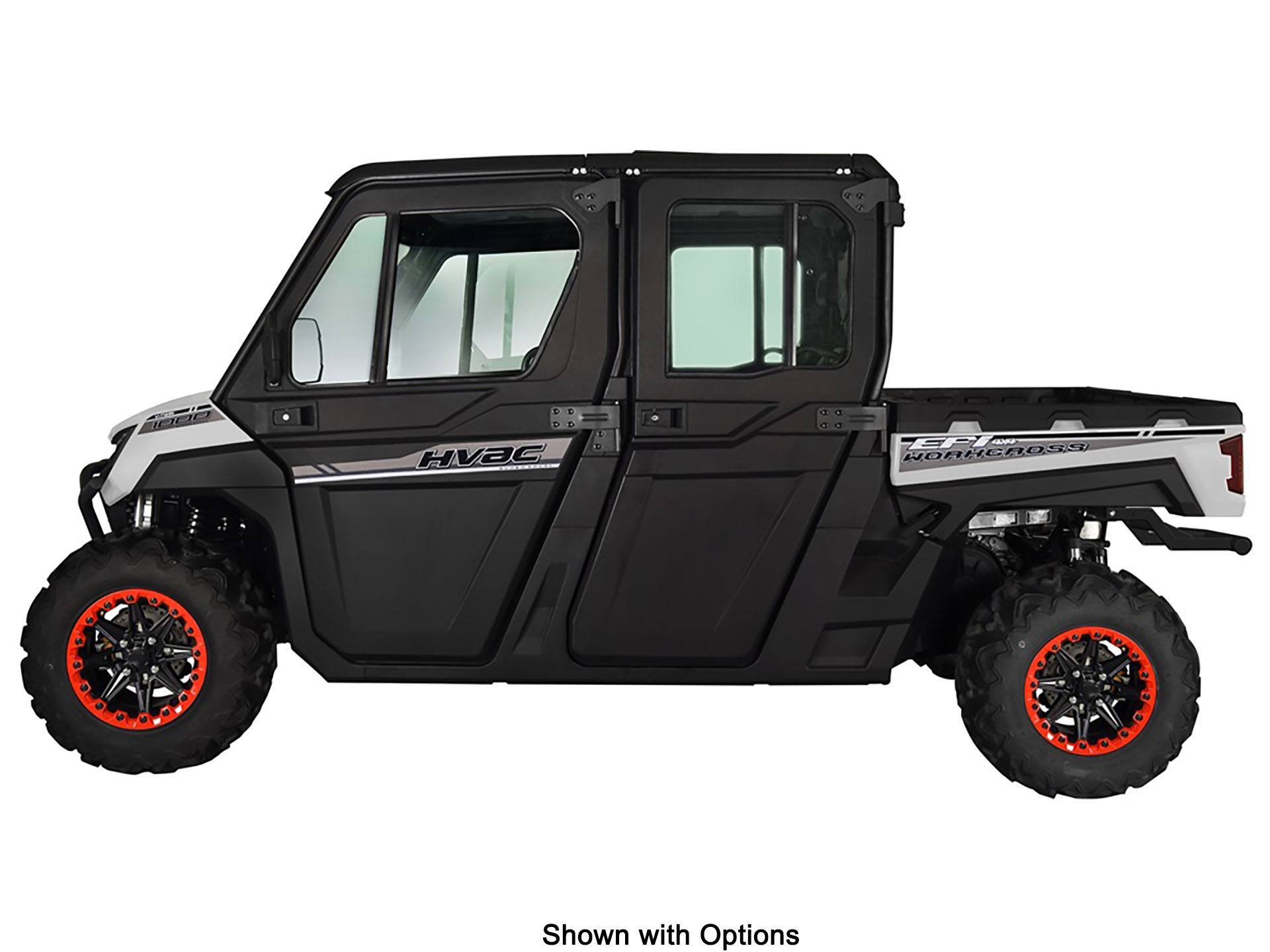
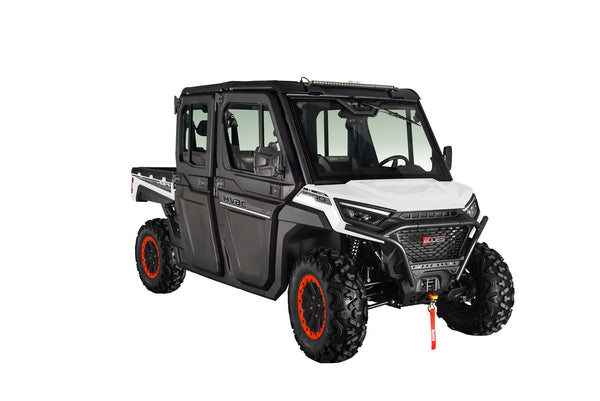

The AODES Workcross 1000 competes with:
- Mule PRO-FX
- Mule PRO-FXT (3–6 passenger models)
On paper:
- Similar horsepower class (~70 HP range)
- Similar towing and hauling roles
In reality:
This is where the gap opens up.
Where the Workcross 1000 pulls ahead:
- Heavier chassis (more structural steel)
- True commercial build vs. legacy farm platform
- Factory HVAC cab (not an add-on afterthought)
- Better suited for extreme environments (heat, dust, cold)
The Mule PRO-FX 1000 produces about 70 HP from a 999cc engine
👉 That’s comparable power—but power isn’t the deciding factor in commercial use.
What actually matters:
- Durability under abuse
- Downtime
- Operator comfort (huge in data centers)
- Lifecycle cost
👉 This is where AODES wins.
Real-World Comparison (Not Marketing Talk)
| Category | Kawasaki Mule | AODES 650 | AODES 1000 |
|---|---|---|---|
| Design Philosophy | Legacy farm/work | Entry commercial | Full commercial fleet |
| Engine Type | Often single-cylinder | V-twin | V-twin |
| Cab | Open / basic | Enclosed option | Full HVAC standard |
| Durability | Proven but lighter | Strong | Heavy-duty build |
| Comfort | Basic | Improved | High (fleet-ready) |
| Use Case | Farm / light work | Commercial light duty | Data centers / construction / enterprise |
The Biggest Difference: Design Philosophy
This is what most buyers miss:
Kawasaki Mule:
- Designed decades ago
- Built for farms, ranches, light utility
- Upgraded over time, but same core concept
AODES:
- Designed from the ground up for commercial use
- Focused on:
- Fleet durability
- Operator comfort
- Lower downtime
👉 That’s a completely different starting point.
Straight Answer for Buyers
If a customer asks:
👉 “What’s your version of a Mule?”
Here’s the honest answer:
- AODES 650 = Mule replacement
- AODES 1000 = Mule upgrade
Final Verdict
- If you want basic, proven, light-duty utility → Mule
- If you want modern, enclosed, commercial-grade performance → AODES
👉 The Mule is a good vehicle.
👉 The AODES platform is a better fit for today’s commercial environments.
